7 Top Retail Security Risks and How to Prevent Them
- Gary Sinnott

- Feb 4
- 10 min read
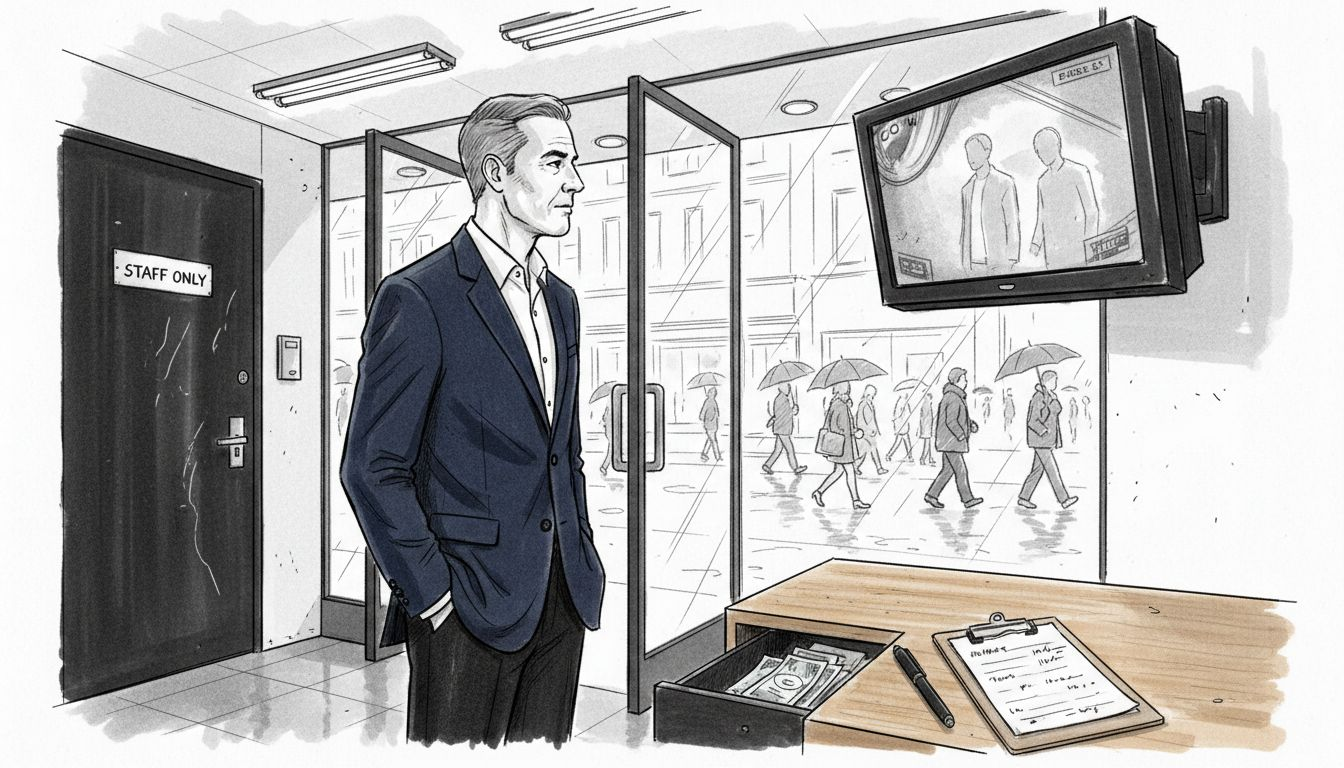
Running a retail business in the UK can feel like you are constantly guarding against an invisible threat. With incidents of violence, abuse, and theft against retail workers rising over 50 percent in the past year and losses from customer theft hitting £2.2 billion, the risks are bigger and more complex than ever. Every day you face not only physical crime but also cyber attacks, data breaches, and even insider threats from within your own team.
If you want to protect your staff, your profits, and your customers, you need practical security solutions that really work. This list will give you targeted strategies to tackle everything from payment card protection to insider threats and supply chain vulnerabilities. Get ready to discover key actions you can take right away to make your retail operation safer and more resilient.
Table of Contents
Quick Summary
Takeaway | Explanation |
1. Implement comprehensive security strategies | Retailers must utilise a holistic approach that addresses both technological and human factors to protect assets and ensure safety. |
2. Protect customer data diligently | Employ encryption and secure payment systems, coupled with rigorous staff training, to safeguard sensitive customer information from cyber threats. |
3. Conduct regular security audits | Regular assessments help identify emerging risks and keep security protocols updated to effectively counteract evolving threats. |
4. Mitigate insider threats with training | Implement ongoing training and clear security policies to educate employees about risks and encourage proactive reporting of suspicious activities. |
5. Stay compliant with PCI DSS standards | Compliance with evolving PCI DSS 4.0 standards is essential for protecting payment data and requires continuous adaptation and monitoring. |
1. Understanding Common Retail Threats
Retail businesses in the United Kingdom face an escalating landscape of complex security challenges that threaten their operational integrity and financial stability. The annual retail crime survey reveals a stark reality: criminal activities targeting retail establishments have become increasingly sophisticated and widespread.
The primary security threats confronting retailers can be categorised into several critical areas:
Physical theft and shoplifting
Cybersecurity breaches
Employee fraud
Organised retail crime
Payment system vulnerabilities
Inventory manipulation
Supply chain security risks
The economic impact of these threats is substantial. According to recent research, retail crime now costs British businesses approximately £4.2 billion annually, with customer theft representing a significant portion of these losses. This staggering figure underscores the urgent need for comprehensive security strategies.
Effective retail security is not just about prevention, but about creating a holistic approach that protects assets, employees, and customer trust.
Moreover, the human cost of retail crime extends beyond financial losses. Retail workers increasingly face violence and workplace abuse, with over 1,191 incidents reported daily. These statistics highlight that security risks are not merely economic challenges but profound workplace safety concerns.
Strategic security measures must address both technological and human elements. This involves implementing robust technological solutions, training staff in security protocols, and fostering a culture of vigilance and proactive risk management.
Pro tip: Conduct regular security audits and create a dynamic risk assessment framework that adapts to emerging threats and changing criminal methodologies.
2. Protecting Payment Card Information
Payment card security represents a critical battleground for modern retailers, with sophisticated cybercriminals constantly seeking vulnerabilities in transaction systems. Payment card vulnerabilities pose significant risks to both businesses and customers, demanding comprehensive protective strategies.
The Payment Card Industry Data Security Standard (PCI DSS) provides a robust framework for safeguarding cardholder information through several key requirements:
Implementing secure network configurations
Protecting stored cardholder data
Maintaining vulnerability management programmes
Strong access control measures
Regular system monitoring and testing
Comprehensive security policy development
Retail businesses must recognise that protecting payment information is not merely a technical challenge but a fundamental aspect of maintaining customer trust. A single data breach can result in substantial financial losses, reputational damage, and potential legal consequences.
Effective payment card protection requires a holistic approach that combines technological solutions with rigorous organisational practices.
Under the UK Finance guidelines, payment card terminals undergo stringent security evaluations. These assessments include technical security checks and accessibility testing, ensuring that devices protect sensitive information while remaining user-friendly for all customers.
Key protective strategies for retailers include:
Encrypting all cardholder data transmission
Implementing multi-factor authentication for system access
Conducting regular security audits
Training staff on data protection protocols
Using validated payment processing systems
Technological safeguards play a crucial role in preventing unauthorized access and potential data breaches. This includes deploying advanced encryption technologies, maintaining updated security software, and implementing robust network segmentation.
Pro tip: Develop a comprehensive incident response plan that outlines precise steps for managing potential payment card data security breaches, ensuring rapid and effective containment.
3. Preventing Insider Threats in Retail Teams
Insider threats represent one of the most nuanced and potentially devastating security risks facing retail organisations today. Insider threat landscape research reveals that internal security breaches can emerge from multiple employee motivations and behavioural patterns.
The Investment Association classifies insider threats into four critical categories:
Malicious insiders intentionally causing harm
Negligent employees making unintentional mistakes
Compromised staff with external manipulations
Inadvertent risk creators through poor security practices
Retail businesses must understand that insider threats are not simply about malicious intent. Often these risks stem from inadequate training, poor security protocols, or systemic vulnerabilities within organisational structures.
Preventing insider threats requires a comprehensive approach that balances technological controls with human-centric security strategies.
Key preventative strategies include:
Implement rigorous background screening processes
Develop clear security policy documentation
Provide regular cybersecurity awareness training
Establish granular access control mechanisms
Create transparent reporting channels for potential risks
The Cifas Insider Threat Protect programme demonstrates the importance of multifaceted approaches. This includes applicant screening, ongoing workforce monitoring, and proactive policy implementations designed to mitigate internal fraud and security risks.
Psychological factors play a significant role in understanding and preventing insider threats. Recognising potential indicators of employee disengagement, financial stress, or professional frustration can help organisations address risks before they escalate.
Pro tip: Conduct periodic anonymous employee satisfaction surveys to identify potential psychological triggers that might increase insider threat vulnerabilities.
4. Securing Customer Data in Online Stores
Customer data protection represents the cornerstone of trust in modern online retail environments. Data protection principles are fundamental to maintaining consumer confidence and legal compliance.
The UK Information Commissioner’s Office outlines seven critical data protection principles for online retailers:
Lawfulness of data processing
Transparency in data handling
Data minimisation techniques
Ensuring data accuracy
Storage limitation strategies
Maintaining data integrity
Demonstrating organisational accountability
Online stores collect vast amounts of sensitive customer information including personal details, contact information, and payment credentials. This data becomes an attractive target for cybercriminals seeking financial gain or identity theft opportunities.
Effective data security is not just a technical requirement but a fundamental promise to your customers.
Comprehensive security strategies must address multiple dimensions:
Implement end-to-end encryption
Use secure payment gateways
Restrict data access permissions
Conduct regular security audits
Train staff on data protection protocols
The PCI Security Standards Council recommends robust protections including secure hosting environments, point-to-point encryption, and consistent vulnerability testing. These measures help prevent unauthorized data access and maintain customer trust.
Technical safeguards play a crucial role in protecting customer information. This involves creating multi-layered security architectures that isolate sensitive data and monitor potential breach points.
Pro tip: Develop a transparent data handling policy that clearly communicates to customers exactly how their information will be collected, used, and protected.
5. Mitigating Supply Chain Vulnerabilities
Supply chain risks represent a complex and multifaceted challenge for modern retailers, with potential disruptions lurking at every operational junction. Supply chain vulnerabilities can emerge from numerous interconnected sources, threatening business continuity and operational stability.
Retail supply chains face multiple potential vulnerability categories:
Cybersecurity threats
Operational inefficiencies
Geopolitical and economic disruptions
Environmental and logistical challenges
Third-party vendor risks
Technology infrastructure weaknesses
Global transportation constraints
Effective supply chain risk management requires a holistic and proactive approach that anticipates potential disruptions before they can significantly impact business operations.
Supply chain resilience is not about eliminating all risks, but developing adaptive strategies that can respond quickly to unexpected challenges.
Strategic mitigation techniques include:
Conduct comprehensive vendor risk assessments
Diversify supplier networks
Implement robust cybersecurity protocols
Develop flexible logistics contingency plans
Invest in advanced monitoring technologies
Create transparent communication channels
Regularly update risk management frameworks
Technological innovations play a crucial role in enhancing supply chain visibility and reducing potential vulnerabilities. Advanced tracking systems, predictive analytics, and real-time monitoring tools can provide retailers with unprecedented insights into potential risk areas.
Pro tip: Develop a dynamic risk assessment matrix that continuously evaluates and scores potential supply chain vulnerabilities, allowing for rapid strategic adjustments.
6. Implementing Robust Access Controls
Access control represents the critical defensive perimeter protecting retail organisations from potentially catastrophic security breaches. Broken access control remains one of the most significant vulnerabilities facing modern digital enterprises.
Comprehensive access control strategies must address multiple interconnected dimensions:
Physical security limitations
Digital authentication mechanisms
Role-based permission frameworks
Multi-factor authentication protocols
Continuous access monitoring
Systematic credential management
Comprehensive user lifecycle tracking
The Information Commissioner’s Office emphasises that effective access control involves far more than simply restricting system entry. It requires creating nuanced, dynamic security architectures that adapt to changing organisational needs.
Access control is not about creating barriers, but about intelligently managing risk while maintaining operational flexibility.
Key implementation strategies include:
Conduct comprehensive risk assessments
Define granular user permission levels
Implement principle of least privilege
Use multi-factor authentication
Create automated access review processes
Develop clear offboarding protocols
Enable real-time access monitoring
Technical access controls must operate across server-side environments, ensuring that user permissions are consistently and rigorously enforced. This involves denying access by default and meticulously aligning controls across different application layers.
Pro tip: Establish a quarterly access rights audit process that systematically reviews and validates every user’s current permissions, immediately revoking unnecessary or outdated access privileges.
7. Staying Compliant with PCI DSS 4.0 Standards
The Payment Card Industry Data Security Standard 4.0 represents a transformative approach to protecting cardholder information in retail environments. PCI DSS 4.0 requirements now demand more comprehensive and dynamic security strategies from organisations processing payment data.
Key evolving aspects of PCI DSS 4.0 include:
Expanded multi-factor authentication protocols
Enhanced encryption standards
Customised compliance approaches
Continuous security monitoring
Risk-based implementation frameworks
More flexible validation processes
Comprehensive data protection lifecycle management
The latest standard shifts from a static compliance checklist to a more adaptive, risk-focused security methodology. Retailers must recognise that meeting these requirements is not just about ticking boxes but creating a robust, ongoing security culture.
Compliance is not a destination, but a continuous journey of security improvement and risk management.
Critical implementation steps include:
Understand new requirement details
Maintain current security controls
Perform targeted risk assessments
Update authentication mechanisms
Implement continuous monitoring systems
Train staff on new compliance protocols
Document all security processes meticulously
Technical security measures now demand more nuanced and adaptive approaches. This means moving beyond traditional perimeter defences to create intelligent, responsive security ecosystems.
Pro tip: Develop a comprehensive PCI DSS 4.0 transition roadmap at least six months before the March 2024 implementation deadline, ensuring systematic and stress-free compliance.
Below is a comprehensive table summarising the various retail security challenges and their respective solutions as discussed throughout the article.
Key Area | Main Challenges | Recommended Solutions |
Physical Retail Security | Theft, shoplifting, worker safety incidents | Implement surveillance systems, employ security personnel, control access points |
Payment Systems | Cyber attacks targeting card data | Enforce PCI DSS standards, utilise secure payment gateways, and conduct regular audits |
Insider Threats | Employee fraud, mishandling, negligent behaviour | Provide cybersecurity training, enforce policy initiatives, and monitor employee actions |
Data Protection | Customer privacy breaches, data mismanagement | Use encryption, secure data minimisation practices, and obtain transparent permissions |
Supply Chain Security | Operational disruptions, supplier vulnerabilities | Perform risk assessments, diversify suppliers, and utilise real-time monitoring tools |
Advanced Digital Access Control | Improper credential management, insufficient user permissions | Apply least privilege rules, multi-factor authentication, and automated access reviews |
Compliance with Standards | Meeting updated PCI DSS 4.0 requirements | Adapt policies, provide staff training, and implement continuous compliance monitoring |
Strengthen Your Retail Security with Expert Guidance from Freshcyber
Retailers face a multitude of complex security risks from insider threats to payment card vulnerabilities and supply chain weaknesses. This article highlights the urgent need for comprehensive and adaptive security strategies that protect your business and customer trust. Key challenges include preventing insider breaches, securing payment information under PCI DSS 4.0, and managing risks across your supply chain with robust access controls and data protection.
At Freshcyber, we specialise in helping small and medium-sized enterprises build true digital resilience with expert SME Security solutions designed to address these exact risks.
Don’t wait until your retail business suffers a costly breach or compliance failure. Partner with Freshcyber to access our Virtual CISO service, rigorous Vulnerability Management, and ongoing Compliance leadership. Visit freshcyber.co.uk now to safeguard your retail operations and lead your industry with confidence.
Frequently Asked Questions
What are the common retail security risks that I should be aware of?
Retail security risks include physical theft and shoplifting, cybersecurity breaches, employee fraud, organised retail crime, payment system vulnerabilities, inventory manipulation, and supply chain security risks. To mitigate these risks, conduct a thorough assessment of your business operations and identify areas where security can be enhanced.
How can I protect payment card information in my retail establishment?
To protect payment card information, implement secure network configurations, use strong encryption methods for data transmission, and conduct regular security audits. Start by encrypting all cardholder data and ensuring compliance with security standards within the next 60 days.
What measures can I take to prevent insider threats in my retail team?
Prevent insider threats by establishing rigorous background checks, providing comprehensive security training, and creating clear reporting channels for potential risks. Develop a policy document that outlines security practices and review it with staff regularly to reinforce compliance.
How can I secure customer data in my online store?
Secure customer data by using end-to-end encryption, secure payment gateways, and restricting access permissions to sensitive information. Review your data handling policies and update them to ensure transparency with customers about how their information is protected within 30 days.
What steps can I take to enhance supply chain resilience?
Enhance supply chain resilience by conducting thorough vendor risk assessments, diversifying your supplier base, and implementing robust cybersecurity measures. Create a flexible logistics plan and regularly evaluate your supply chain for potential vulnerabilities to stay prepared for disruptions.
How do I stay compliant with PCI DSS 4.0 standards?
To stay compliant with PCI DSS 4.0, understand the new requirements, maintain current security controls, and perform targeted risk assessments. Develop a transition roadmap at least six months before the implementation deadline to ensure a smooth compliance process.
Recommended
Comments