Why Regular Security Audits Matter for UK SMEs
- Gary Sinnott

- Jan 13
- 7 min read

British SMEs operating in regulated sectors face rising pressures, with nearly 50 percent of small businesses admitting they have gaps in their security auditing routines. As Directors and IT Managers, keeping up with evolving compliance rules and cybersecurity risks is more than just meeting legal requirements - it is about protecting reputation, customer trust, and financial stability. This guide offers practical insights and trusted strategies to help you fortify digital defences through regular, targeted security audits.
Table of Contents
Key Takeaways
Point | Details |
Importance of Regular Audits | Regular security audits are essential for identifying vulnerabilities and ensuring proactive risk management in SMEs. |
Types of Audits | Technical, compliance, and human factor audits each serve a unique purpose in strengthening cybersecurity. |
Audit Process | A structured audit process involves preparation, assessment, investigation, and reporting for effective risk management. |
Legal Compliance | Adhering to regulations like UK GDPR is crucial for safeguarding personal data and maintaining organisational integrity. |
Defining Regular Security Audits for SMEs
A security audit represents a systematic, comprehensive evaluation of an organisation’s digital infrastructure, policies, and practices designed to identify potential vulnerabilities and ensure robust cybersecurity protection. For UK small and medium enterprises (SMEs), these audits are not mere compliance checkboxes but strategic assessments that pinpoint potential risks before they become critical threats.
In practical terms, a regular security audit involves methodical data protection assessments that thoroughly examine an organisation’s data processing activities, consent mechanisms, security protocols, and potential exposure points. These comprehensive reviews typically include detailed examinations of:
Network infrastructure vulnerabilities
Access control mechanisms
Data encryption standards
Employee security awareness levels
Current cybersecurity policy implementations
Potential compliance gaps with regulatory frameworks
The strategic value of these audits lies not just in identifying weaknesses, but in providing actionable insights that enable proactive risk management. By conducting regular assessments, SMEs can systematically strengthen their digital defences, reduce potential breach risks, and demonstrate a commitment to maintaining robust cybersecurity standards.
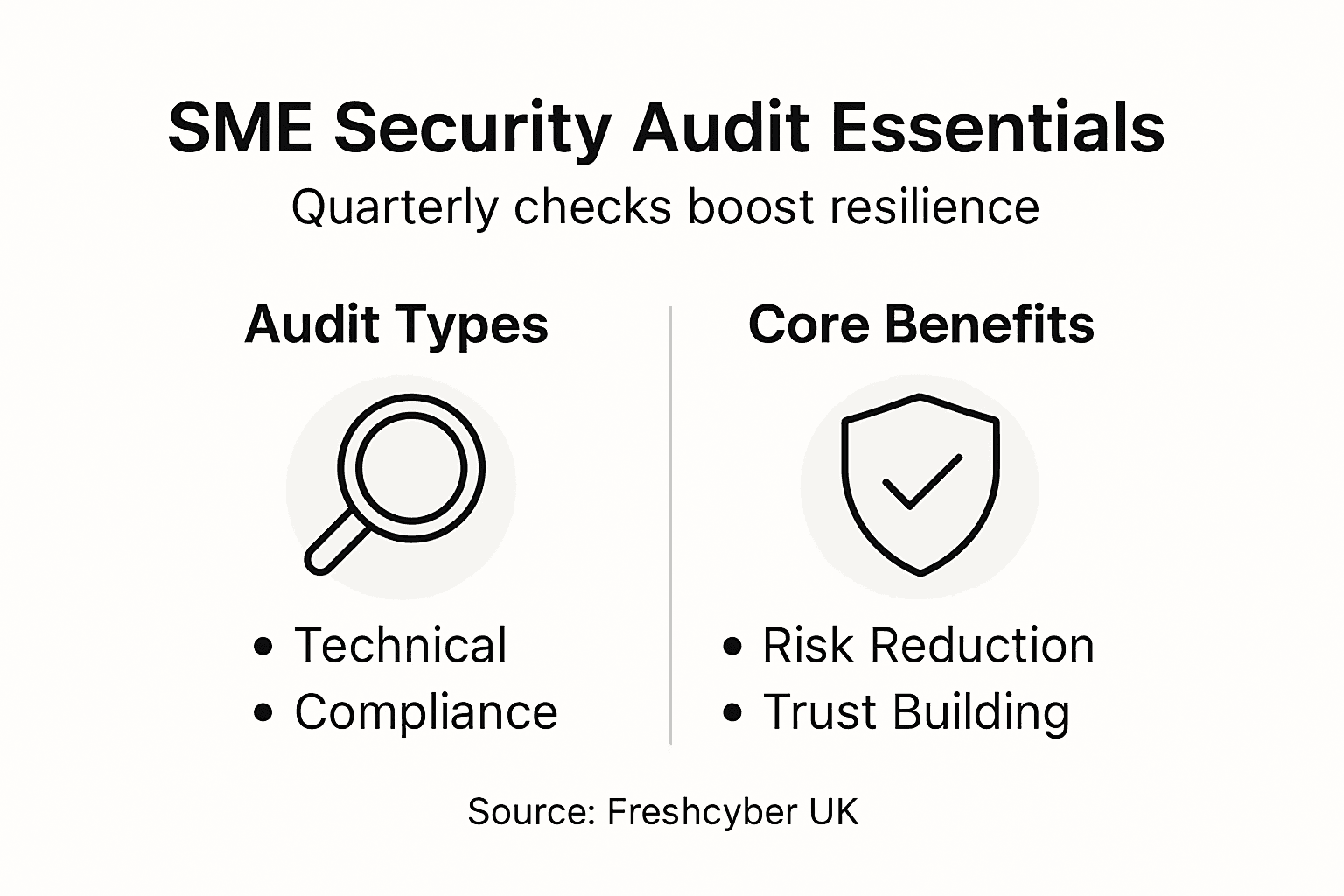
Pro tip: Schedule your security audits quarterly and treat them as strategic investments rather than administrative burdens.
Types of Security Audits and Their Purposes
UK SMEs typically encounter several distinct types of security audits, each serving a unique purpose in strengthening organisational cybersecurity. These comprehensive assessments range from technical evaluations to compliance-focused reviews, designed to provide holistic protection against evolving digital threats.
The first category involves technical security audits, which systematically assess cybersecurity infrastructure through in-depth examinations of network configurations, system vulnerabilities, and potential entry points for cybercriminals. These audits typically include:
Penetration testing
Vulnerability scanning
Network architecture review
Security configuration assessment
Threat modelling
Comprehensive risk mapping
Compliance orientated audits represent another critical category, focusing on ensuring organisations meet regulatory requirements and industry standards. These reviews examine an organisation’s adherence to data protection frameworks, evaluating critical elements such as:
Data handling protocols
Privacy management systems
Consent management mechanisms
Information security governance
Regulatory compliance documentation
Risk management strategies
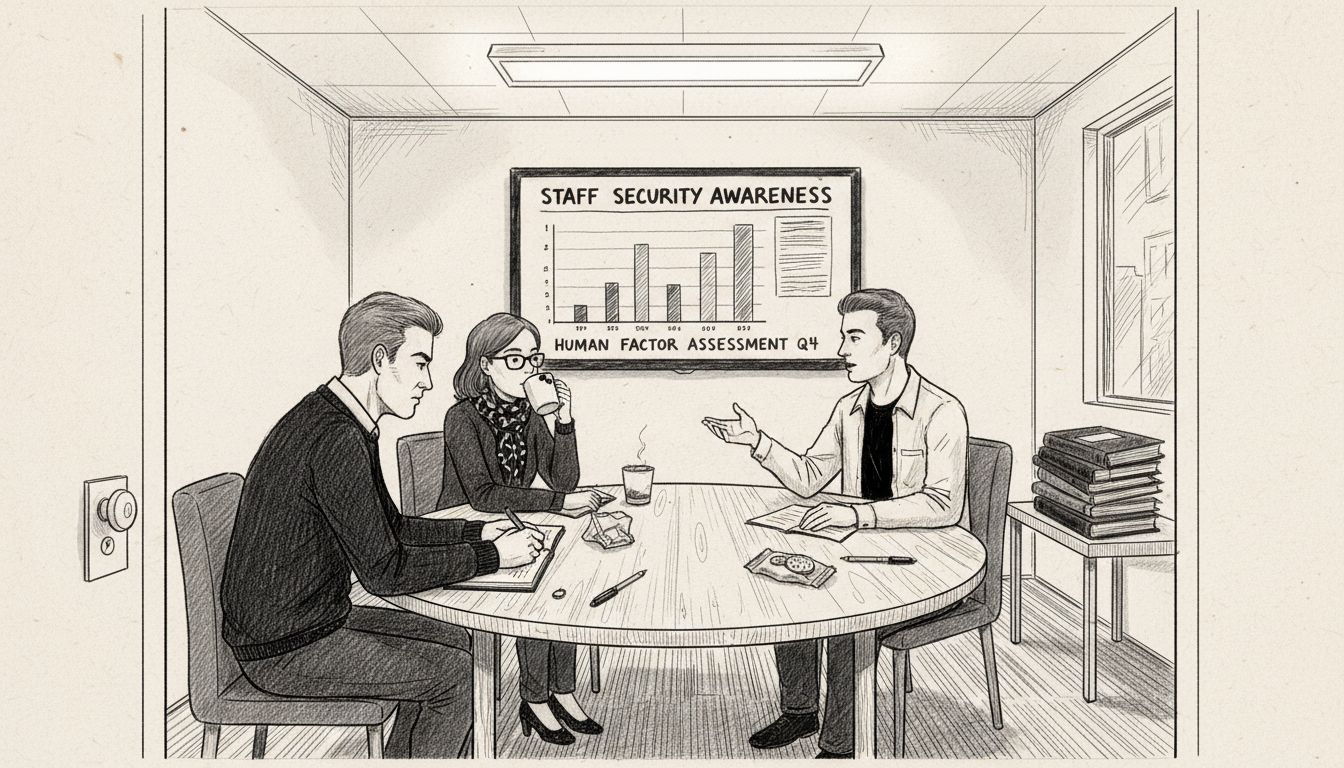
A third significant audit type involves human factor assessments, which evaluate an organisation’s security awareness, employee training effectiveness, and potential social engineering vulnerabilities. These audits recognise that human behaviour represents a crucial component of cybersecurity defence, examining employee knowledge, reporting mechanisms, and potential psychological manipulation risks.
Pro tip: Rotate between different audit types throughout the year to ensure comprehensive security coverage and maintain a dynamic defence strategy.
Here is a comparison of common security audit types and how they strengthen SME cybersecurity:
Audit Type | Primary Focus | Core Benefit |
Technical Audit | IT infrastructure weaknesses | Identifies system exposures |
Compliance Audit | Regulatory alignment | Ensures legal adherence |
Human Factor Audit | Staff behaviour and awareness | Addresses insider threats |
Audit Process: Key Steps and Best Practices
The security audit process represents a strategic methodology designed to systematically evaluate an organisation’s cybersecurity posture, identifying vulnerabilities and recommending targeted improvements. Effective audit approaches prioritise risk-based assessments that deliver actionable insights tailored to an organisation’s specific operational context.
A comprehensive audit process typically unfolds across several critical stages:
Pre-Audit Preparation
Define audit scope and objectives
Gather preliminary documentation
Identify key stakeholders
Establish communication protocols
Initial Assessment
Conduct comprehensive documentation review
Perform initial risk profiling
Map existing security infrastructure
Identify potential compliance gaps
Technical Investigation
Execute detailed vulnerability scanning
Perform penetration testing
Analyse network configurations
Review access control mechanisms
Evaluate encryption standards
Reporting and Recommendations
Compile detailed findings
Prioritise identified risks
Develop remediation strategies
Create actionable improvement roadmap
Recommend specific technical interventions
Successful security audits demand a collaborative approach, requiring active engagement from leadership, technical teams, and external auditors. The goal extends beyond merely identifying weaknesses; it involves creating a dynamic, adaptive security strategy that evolves alongside emerging technological challenges and organisational growth.
Pro tip: Treat security audits as continuous improvement opportunities rather than one-time compliance exercises.
Legal and Regulatory Compliance in the UK
UK SMEs navigate a complex landscape of cybersecurity regulations that demand proactive and comprehensive compliance strategies. Data protection legislation imposes rigorous requirements on organisations handling personal information, mandating robust security measures and responsible data management practices.
Key regulatory frameworks that UK SMEs must comprehensively address include:
UK General Data Protection Regulation (UK GDPR)
Governs personal data processing
Requires consent mechanisms
Mandates data subject rights
Imposes strict breach notification protocols
Data Protection Act 2018
Provides domestic implementation of UK GDPR
Establishes legal framework for data protection
Defines organisational responsibilities
Outlines potential financial penalties
Cyber Essentials Certification
Government-backed security standard
Defines minimum cybersecurity requirements
Provides framework for basic cyber hygiene
Helps organisations demonstrate security commitment
Compliance is not merely about avoiding penalties but represents a strategic approach to protecting organisational integrity. SMEs must develop comprehensive policies, implement technical controls, and maintain ongoing risk management processes that align with evolving regulatory expectations.
Beyond technical requirements, legal compliance demands a holistic approach involving staff training, regular security assessments, and documented evidence of proactive risk management. Organisations must demonstrate not just technical capability, but a cultural commitment to protecting sensitive information and maintaining stakeholder trust.
Pro tip: Create a dedicated compliance register that tracks regulatory changes and maps them directly to your organisation’s security controls.
This summary outlines critical UK data protection regulations relevant to SMEs:
Regulation | Key Coverage Area | Importance for SMEs |
UK GDPR | Personal data processing | Mandates lawful handling and rights |
Data Protection Act 2018 | Legal data protection base | Defines local requirements and penalties |
Cyber Essentials | Minimum cybersecurity standard | Demonstrates baseline security |
Risks of Irregular Audits and Common Pitfalls
Irregular security audits expose UK SMEs to significant operational and financial vulnerabilities that can rapidly escalate beyond manageable risk levels. Inadequate audit practices create substantial organisational blind spots that cybercriminals can strategically exploit, potentially leading to catastrophic security breaches.
Key risks associated with inconsistent or superficial security auditing include:
Financial Exposure
Potential regulatory fines
Unexpected breach remediation costs
Potential legal liability
Insurance premium increases
Reputational Damage
Loss of customer trust
Negative public perception
Reduced market credibility
Potential contract cancellations
Operational Vulnerabilities
Undetected system weaknesses
Outdated security configurations
Inadequate threat response mechanisms
Compliance framework gaps
Common pitfalls that UK SMEs frequently encounter during security assessments involve overlooking critical elements such as human factor risks, failing to maintain comprehensive documentation, and treating compliance as a static, one-time exercise rather than a dynamic, continuous process.
Moreover, organisations often underestimate the complexity of modern cyber threats, assuming that basic technical controls provide sufficient protection. This misconception can lead to a false sense of security that masks underlying systemic vulnerabilities, making businesses exceptionally susceptible to sophisticated attacks.
Pro tip: Implement a rolling audit schedule with overlapping assessment windows to ensure continuous, comprehensive security monitoring.
Building Trust and Digital Resilience Through Audits
Building digital resilience goes far beyond implementing technical controls; it represents a strategic commitment to demonstrating organisational integrity and proactive risk management. Comprehensive audit practices play a crucial role in establishing a foundation of trust with stakeholders, customers, and regulatory bodies.
Trust-building through security audits manifests across multiple critical dimensions:
Stakeholder Confidence
Transparent risk management
Demonstrable security commitment
Clear accountability mechanisms
Proactive vulnerability disclosure
Operational Transparency
Systematic vulnerability tracking
Continuous improvement evidence
Comprehensive documentation
Objective performance measurement
Regulatory Compliance
Structured risk assessment
Documented governance processes
Evidence of due diligence
Alignment with industry standards
Digital resilience emerges from an organisation’s ability to anticipate, withstand, and rapidly recover from potential cyber incidents. This requires developing a holistic approach that integrates technical safeguards with cultural awareness, transforming security from a technical requirement into a strategic business imperative.
Successful digital resilience demands more than periodic assessments; it requires embedding a continuous learning mindset that views security as an ongoing dialogue between technological capabilities, human behaviour, and evolving threat landscapes.
Pro tip: Frame your security audits as strategic business insights rather than compliance exercises to drive meaningful organisational transformation.
Strengthen Your SME’s Cybersecurity with Freshcyber’s Expert Support
UK SMEs face persistent challenges in maintaining regular security audits, a critical safeguard against evolving cyber threats. This article highlights the risks of irregular audits, including financial exposure, operational vulnerabilities, and reputational damage. At Freshcyber, we understand these pain points and help businesses transform audit outcomes into true digital resilience by combining strategic leadership with hands-on vulnerability management and compliance expertise.
Our flagship Virtual CISO (vCISO) service provides tailored security roadmaps, gap analyses, and comprehensive risk management. We guide SMEs through complex regulatory landscapes such as GDPR and Cyber Essentials, ensuring your organisation not only meets compliance but builds lasting trust. With ongoing support in SME Security, Compliance, and Vulnerability Management, you gain a dedicated security partner committed to your continuous protection.

Take control of your security journey today. Visit Freshcyber to discover how our expert vCISO and tailored cyber solutions can turn regular security audits from an administrative burden into a powerful catalyst for business growth and resilience.
Frequently Asked Questions
What is a security audit and why is it important for SMEs?
A security audit is a systematic evaluation of an organisation’s digital infrastructure, policies, and practices aimed at identifying vulnerabilities and ensuring robust cybersecurity protection. For SMEs, it is crucial for detecting potential risks before they escalate into significant threats.
How often should SMEs conduct security audits?
It is recommended that SMEs conduct security audits quarterly. Regular assessments help in strengthening digital defences, reducing risks, and demonstrating a commitment to maintaining high cybersecurity standards.
What are the different types of security audits a small business should consider?
Common types of security audits include technical audits, compliance audits, and human factor audits. Each serves a unique purpose, from assessing IT infrastructure to ensuring regulatory compliance and evaluating employee security awareness.
What are the risks of not conducting regular security audits?
Irregular security audits expose SMEs to financial vulnerabilities, reputational damage, and operational weaknesses. Potential repercussions include regulatory fines, loss of customer trust, and undetected system weaknesses, which can lead to significant security breaches.
Recommended
Comments